Open-joint ventilated façades
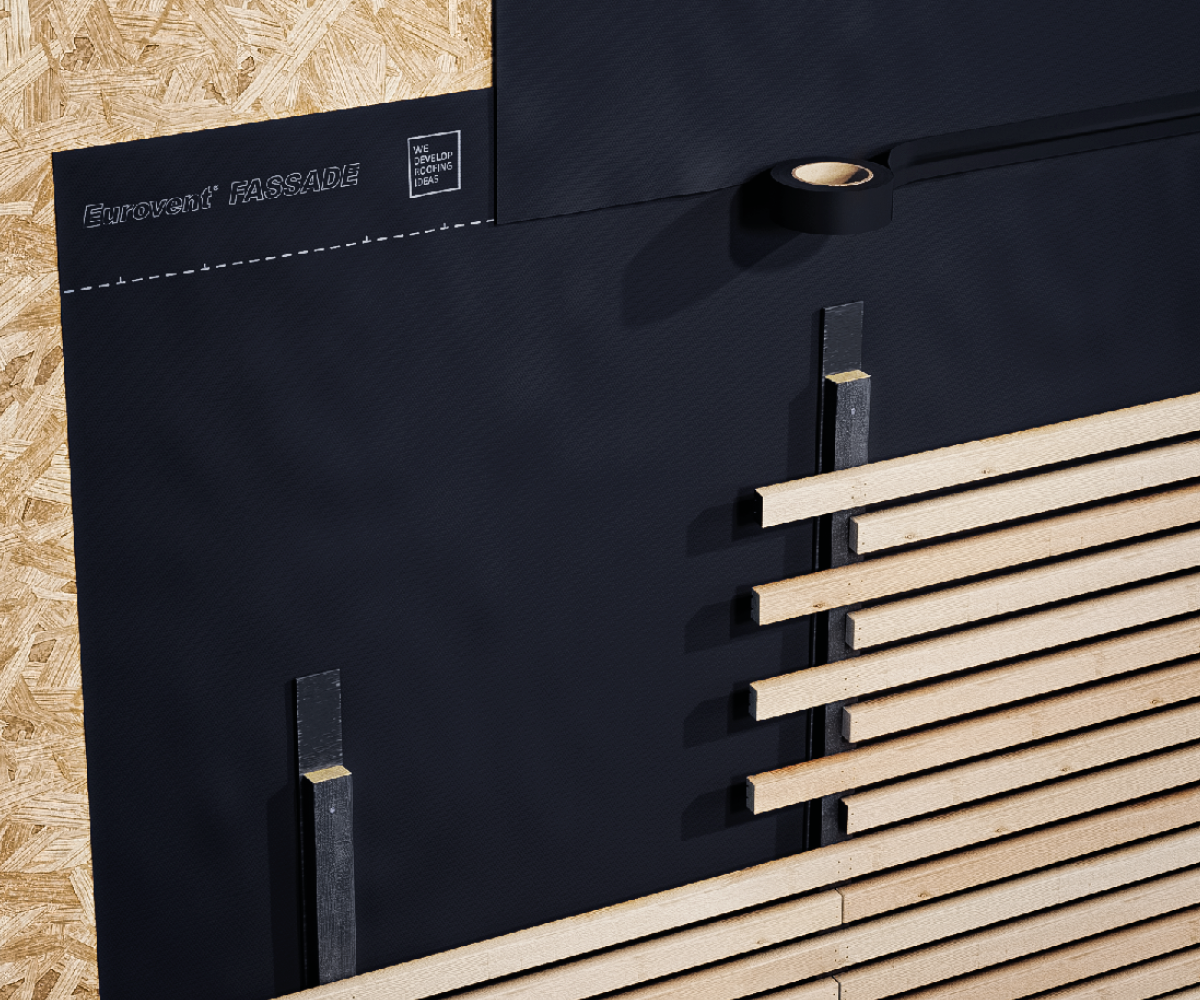
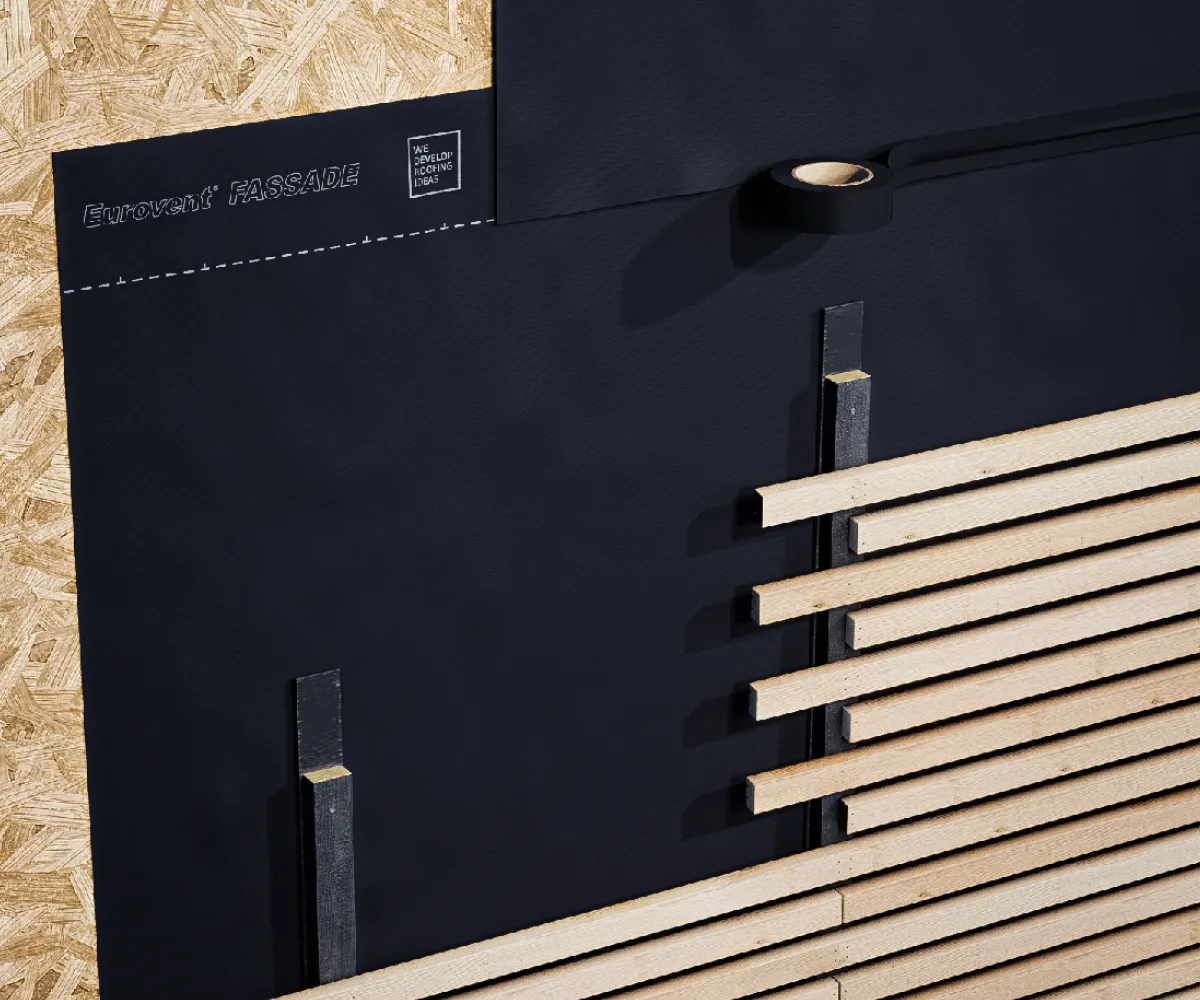
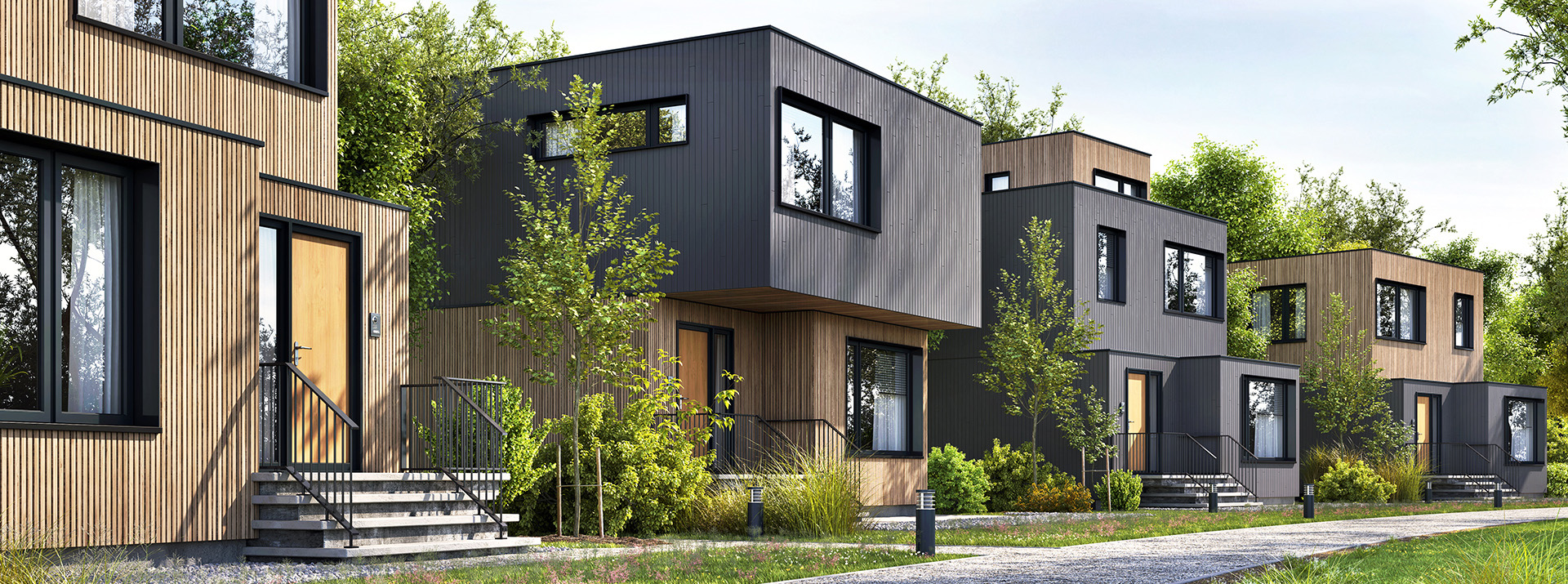
Open-joint ventilated façades are architectural solutions in which the façade cladding boards do not form a fully sealed surface, but instead feature visible joints or gaps between the boards. Such constructions are increasingly used in modern residential and commercial buildings, particularly in projects with a minimalist and natural aesthetic.
Key characteristics of open-joint façades:
- long-term exposure to UV radiation,
- direct exposure to precipitation,
- intense wind loads,
- variable temperature and humidity conditions.
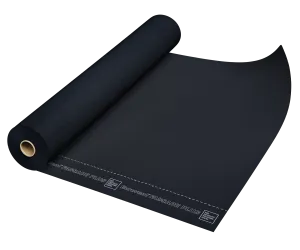
For this reason, a wind barrier membrane with enhanced resistance to UV radiation and weather conditions becomes a crucial component of the entire façade system.
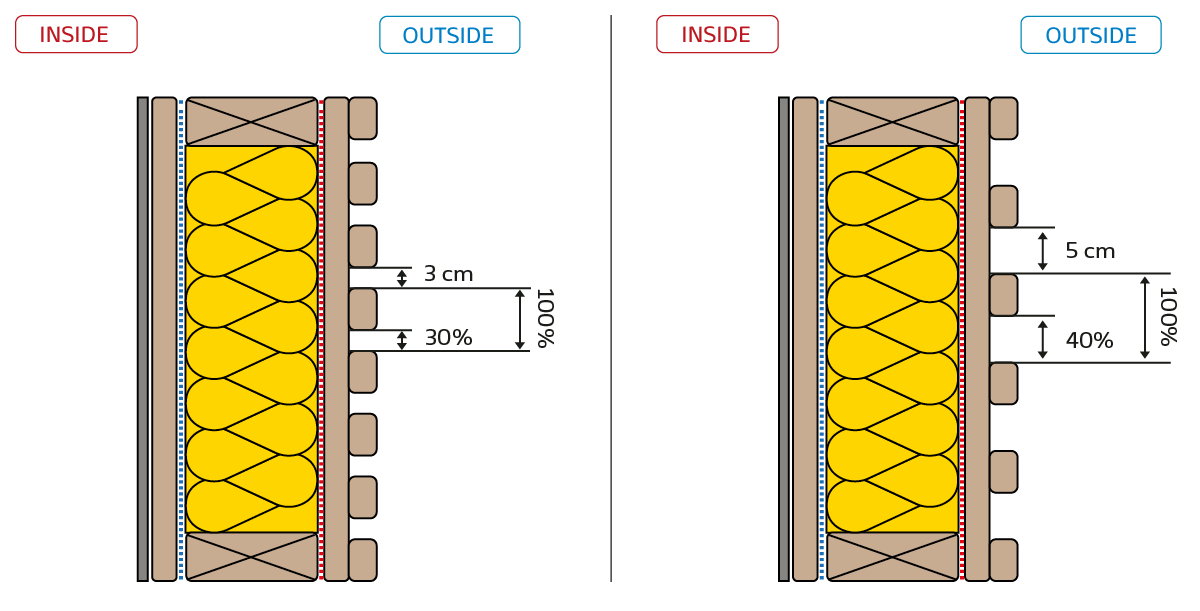
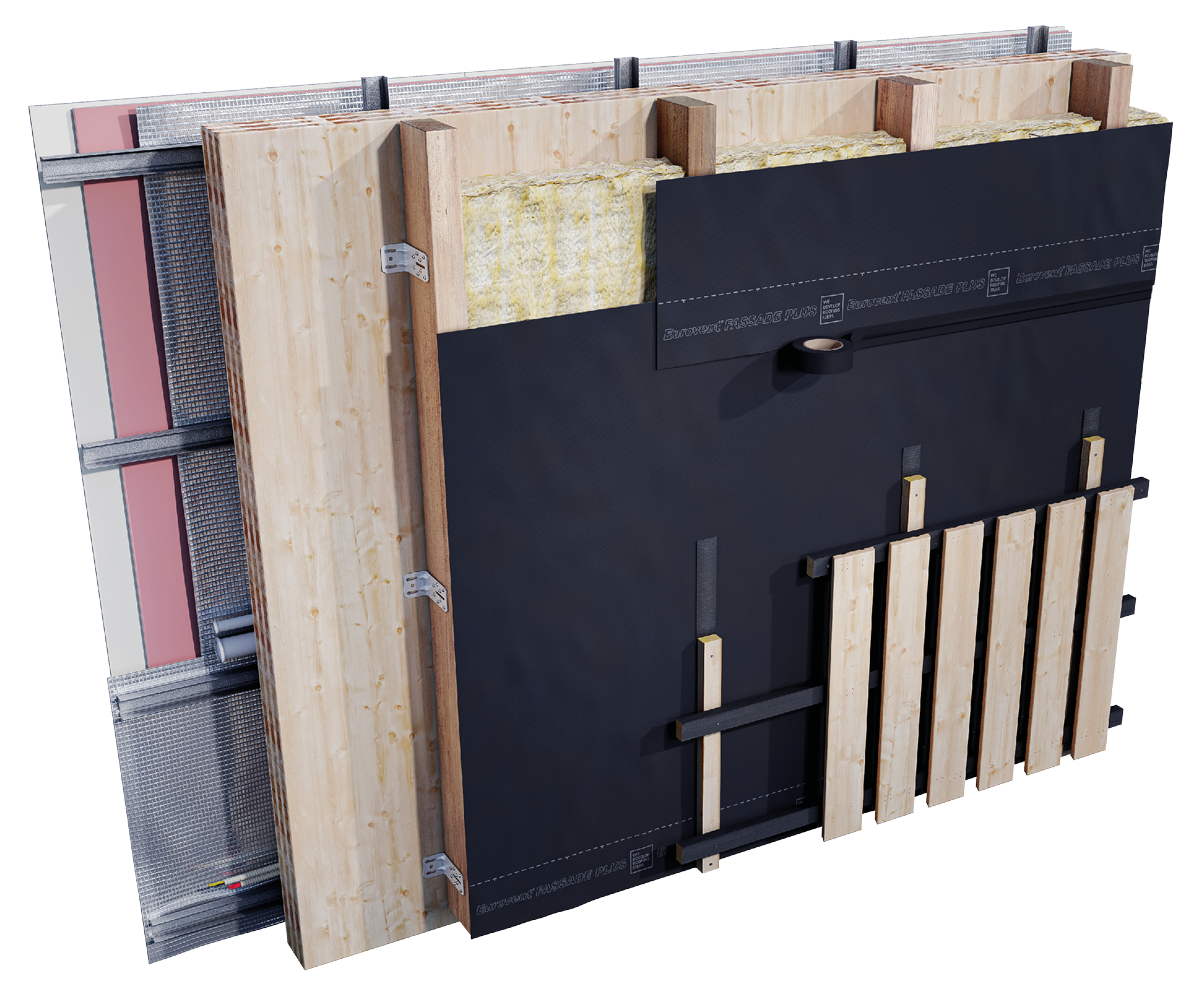
Open-joint ventilated façade diagrams
Technical requirements for membranes used in open-joint façades
Membranes used in ventilated façades with open joints should be characterized by:
- high resistance to UV radiation (confirmed by ageing tests),
- mechanical resistance to tearing and installation damage,
- effective protection against wind and moisture,
- high vapour permeability, enabling the removal of water vapour from the wall structure,
- an appropriate reaction-to-fire classification (most commonly B-s1, d0).
In addition, it is essential to select the membrane according to the width of the joints and the percentage of the exposed façade surface.
Why are open-joint ventilated façades becoming more popular?
Open-joint façades combine modern aesthetics with practical performance. When paired with a properly selected façade wind barrier membrane, they make it possible to:
- maintain long-term façade durability,
- protect the wall structure from moisture and heat loss,
- ensure stable performance of the thermal insulation layer,
- implement contemporary architectural designs without compromising technical requirements.
Structure of an open-joint ventilated façade system
A typical layer configuration of an open-joint ventilated façade includes:
- Façade boards or panels installed with open joints,
- Substructure / mounting frame (wooden or aluminium),
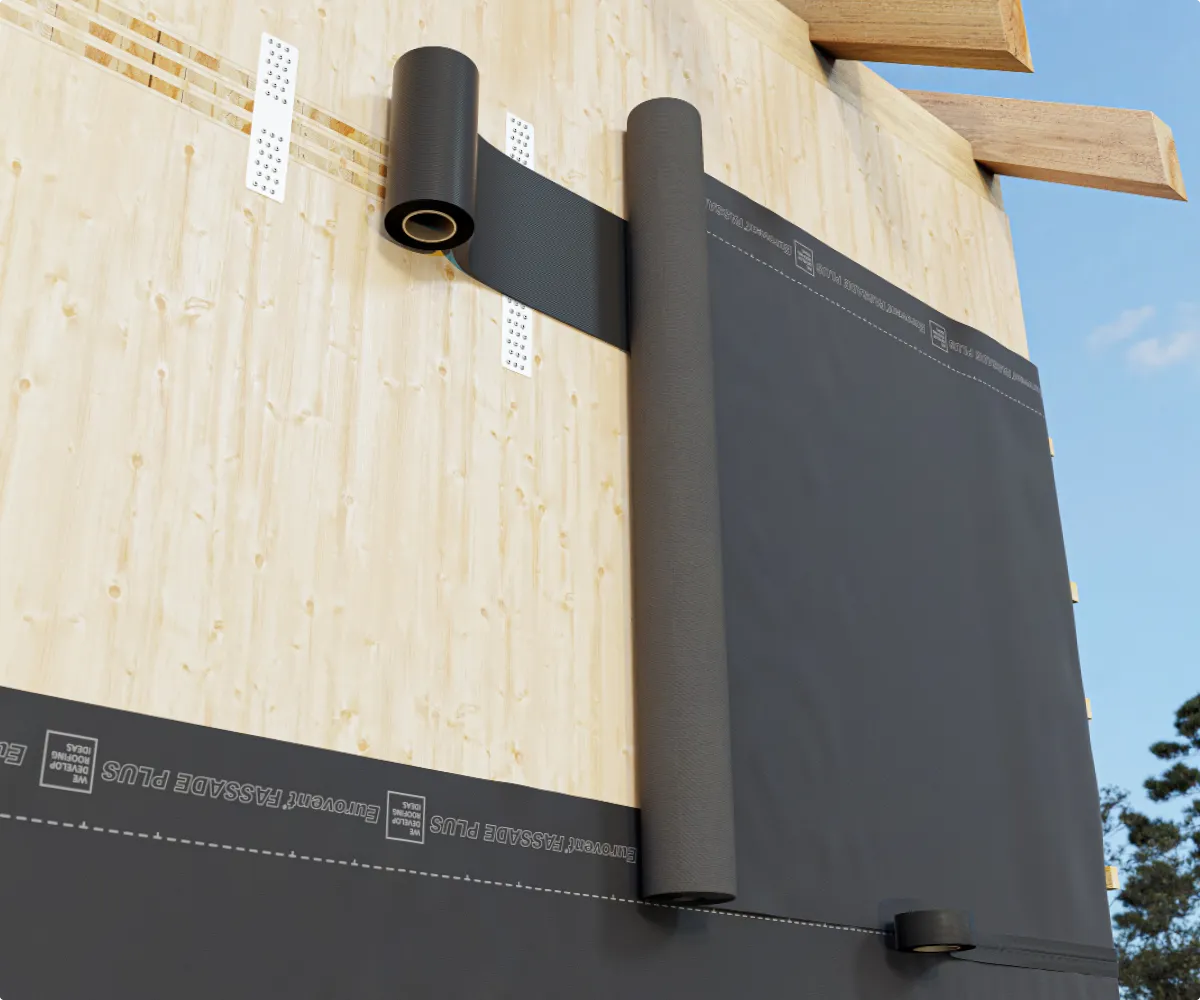
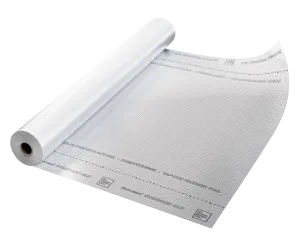
- UV-resistant façade wind barrier membrane (Eurovent® FASSADE / FASSADE X / FASSADE PLUS),
- Thermal insulation layer,
- Load-bearing wall structure,
- Internal finishing layer (e.g. plasterboard).
This solution ensures effective façade ventilation, protection of the wall structure and long-term durability of the entire system.
Façade design inspirations