
Water vapour permeability (WDD)
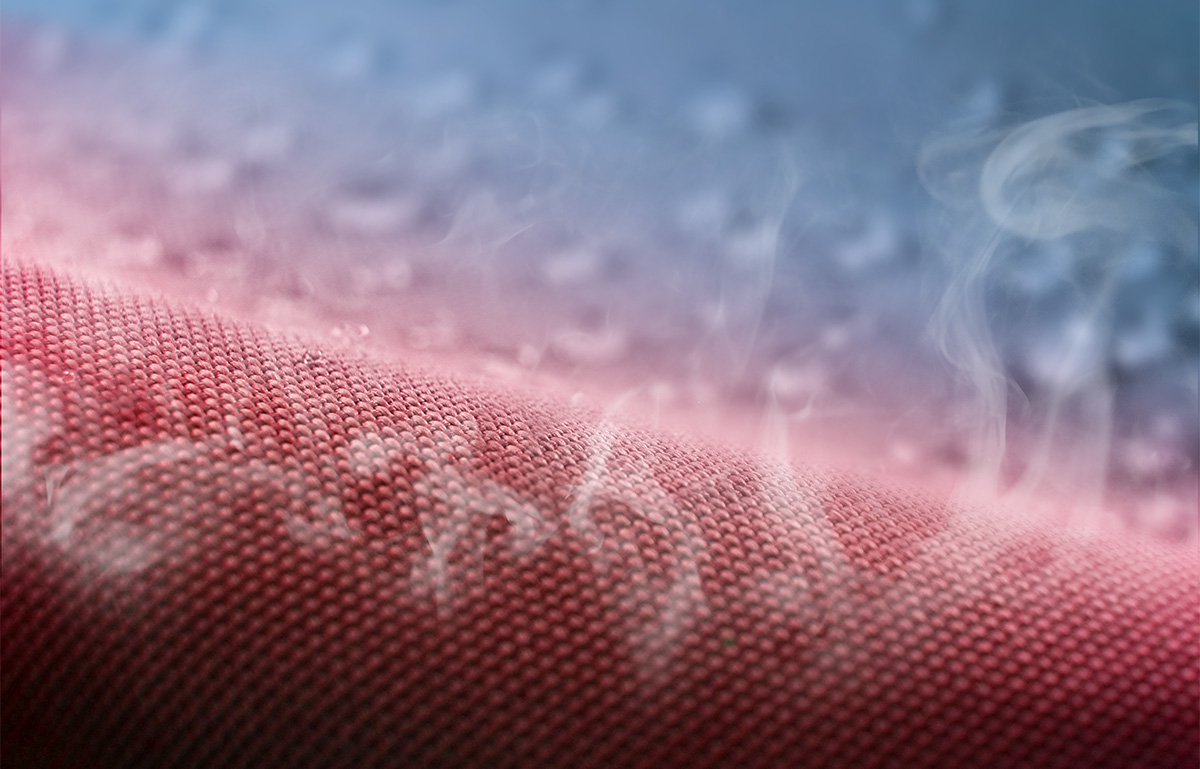
Water vapour permeability refers to the ability of a building envelope component to allow water vapour to pass through it from the interior of the building to the outside.
This parameter is expressed in [g/m²/24 h] and indicates the number of grams of water vapour that can pass through 1 m² of the material surface within 24 hours. In this case, it refers to roof membranes or roofing foils.
A sufficiently high level of vapour permeability prevents excessive moisture accumulation within the roof structure, protecting it from progressive deterioration that could reduce its performance and potentially lead to structural damage.
In addition, high vapour permeability eliminates the need for a ventilation gap between the roof membrane and the thermal insulation layer. It also helps prevent excessive cooling of the insulation, which can contribute to improved thermal efficiency and reduced building heating costs.
Key points
- The unit of WDD is [g/m²/24 h].
- It is a relative value, influenced by air temperature, humidity, and atmospheric pressure.


