High-Performance Building Ventilation
Efficient building ventilation is responsible for indoor air quality, occupant comfort, and the durability of the building structure. Its role is to ensure the continuous exchange of stale air for fresh air, removing excess moisture, carbon dioxide, odours, and pollutants generated during the everyday use of the building.
Efficient ventilation = a healthy and durable building
Efficient ventilation is not only about breathing comfort, but also about real protection of the building structure. A properly designed and installed ventilation system:
- stabilises humidity levels,
- reduces heat loss,
- protects roof and wall layers,
- improves indoor air quality,
- increases the durability of the entire building.
That is why, in modern construction, ventilation is treated as an integral element of the roofing and façade system rather than just an additional installation component.
A Properly Functioning Ventilation System
A properly functioning ventilation system reduces the risk of water vapour condensation, the development of mould and fungi, and health problems such as headaches, respiratory irritation, or reduced concentration. At the same time, modern ventilation systems allow better management of thermal energy, which is particularly important in energy-efficient and passive buildings.
What do we gain?
- Fresh, oxygen-rich air free from unpleasant odours and pollutants.
- Adjustable ventilation performance, energy savings, and reduced noise levels.
- No drafts or heat loss, ensuring proper air circulation.
- Better well-being, improved concentration, and healthy indoor air.
Consequences of Improper Ventilation
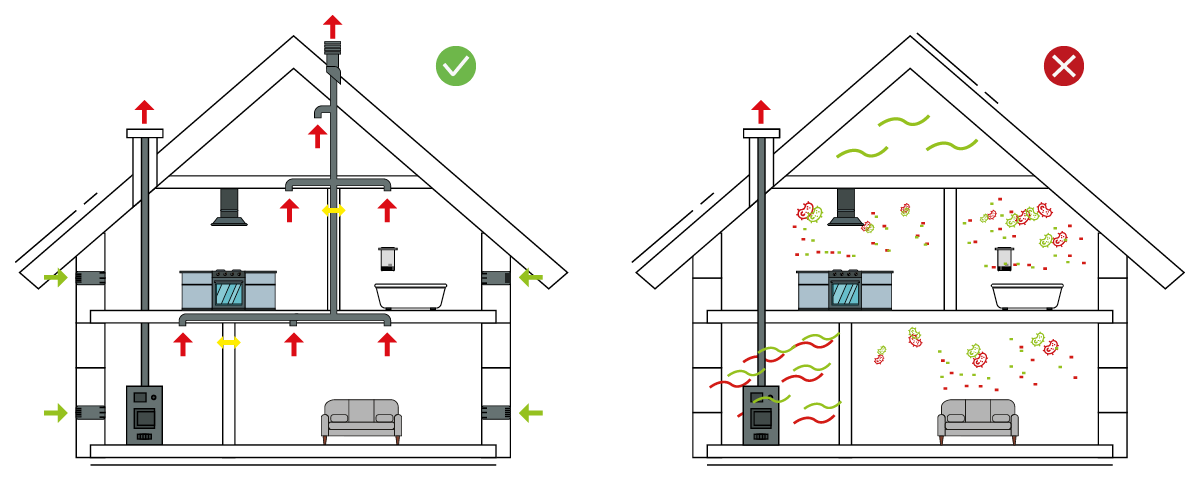
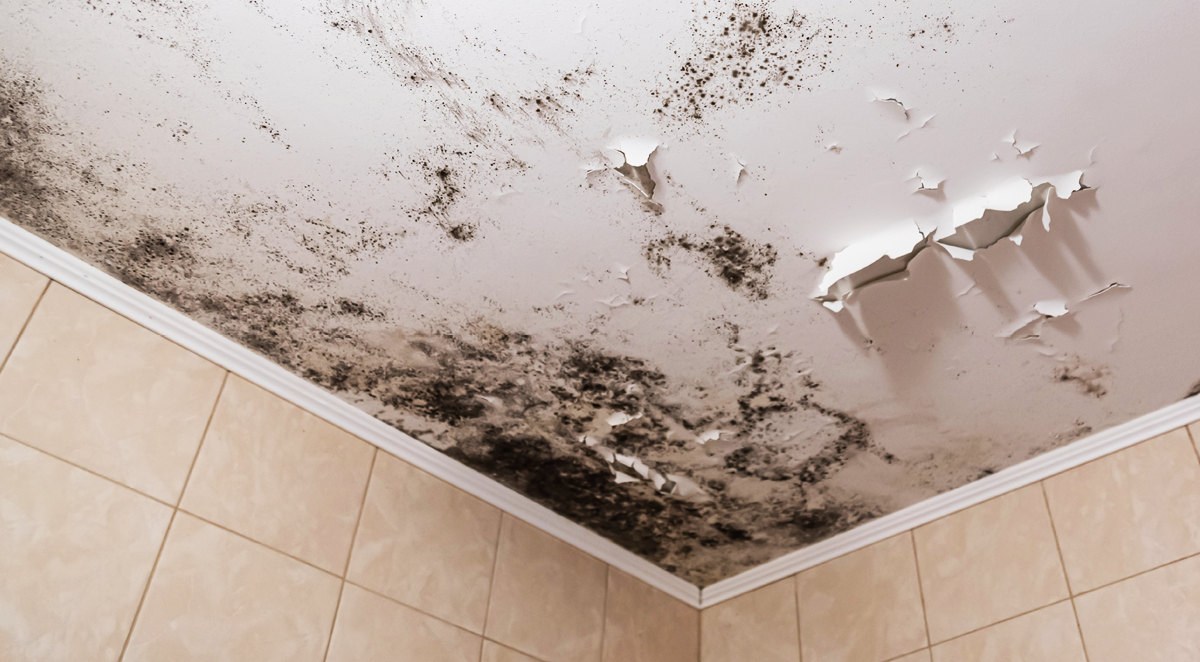
Ineffective or poorly designed ventilation leads to the accumulation of moisture and harmful substances in the air. In poorly ventilated spaces, the levels of water vapour, carbon dioxide, volatile organic compounds (VOCs), dust, and allergens increase.
In the long term, this results in moisture accumulation within roof and wall layers, deterioration of the insulation performance of building materials, and the development of mould and fungi. The consequences include not only technical problems within the building structure but also a reduced level of comfort and quality of life for occupants.
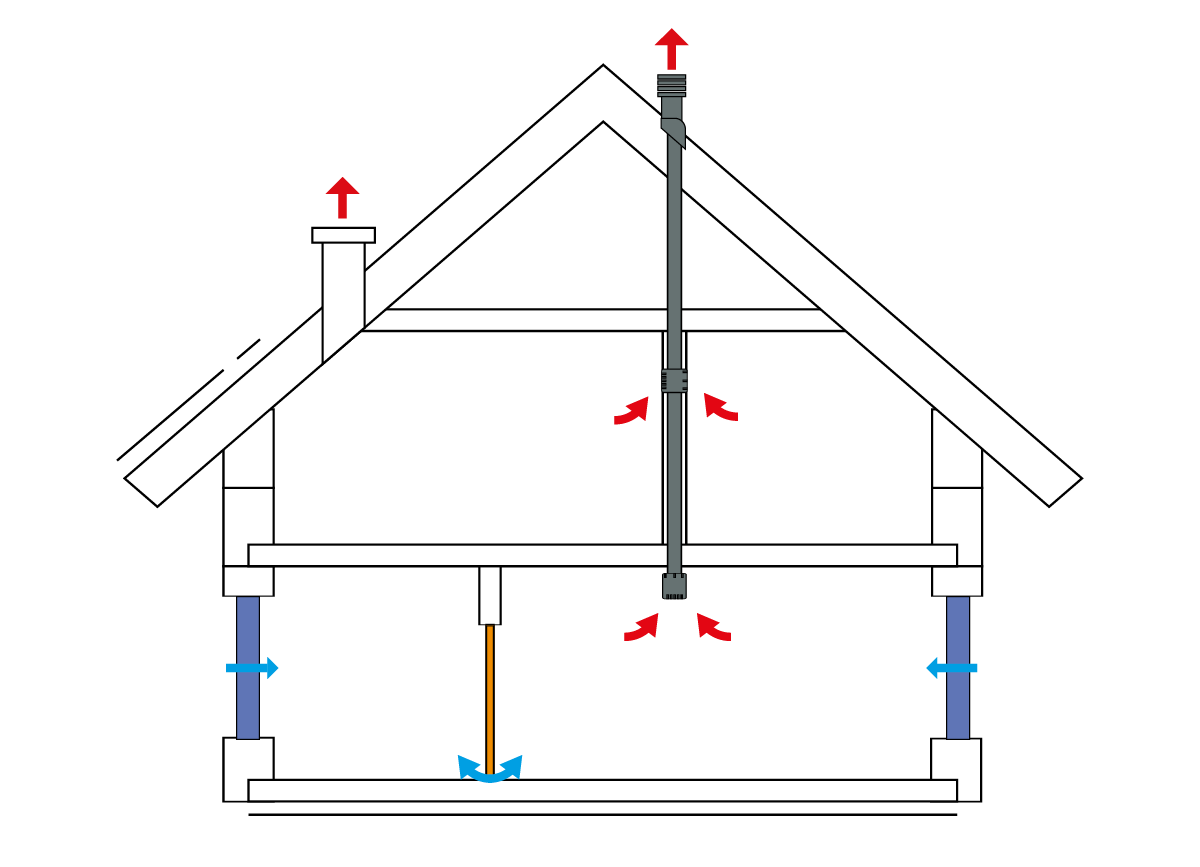
Natural (Gravity) Ventilation
The simplest and most economical air exchange system used in residential buildings. It operates on the principle of natural draft – stale air is removed from rooms due to the pressure difference between the indoor space and the outlet of the ventilation duct. Fresh air enters through leaks in window and door joinery or through dedicated air inlets (trickle vents).
This system does not allow regulation of ventilation intensity and is fully dependent on atmospheric conditions, such as outdoor temperature and wind strength.
Hybrid Ventilation
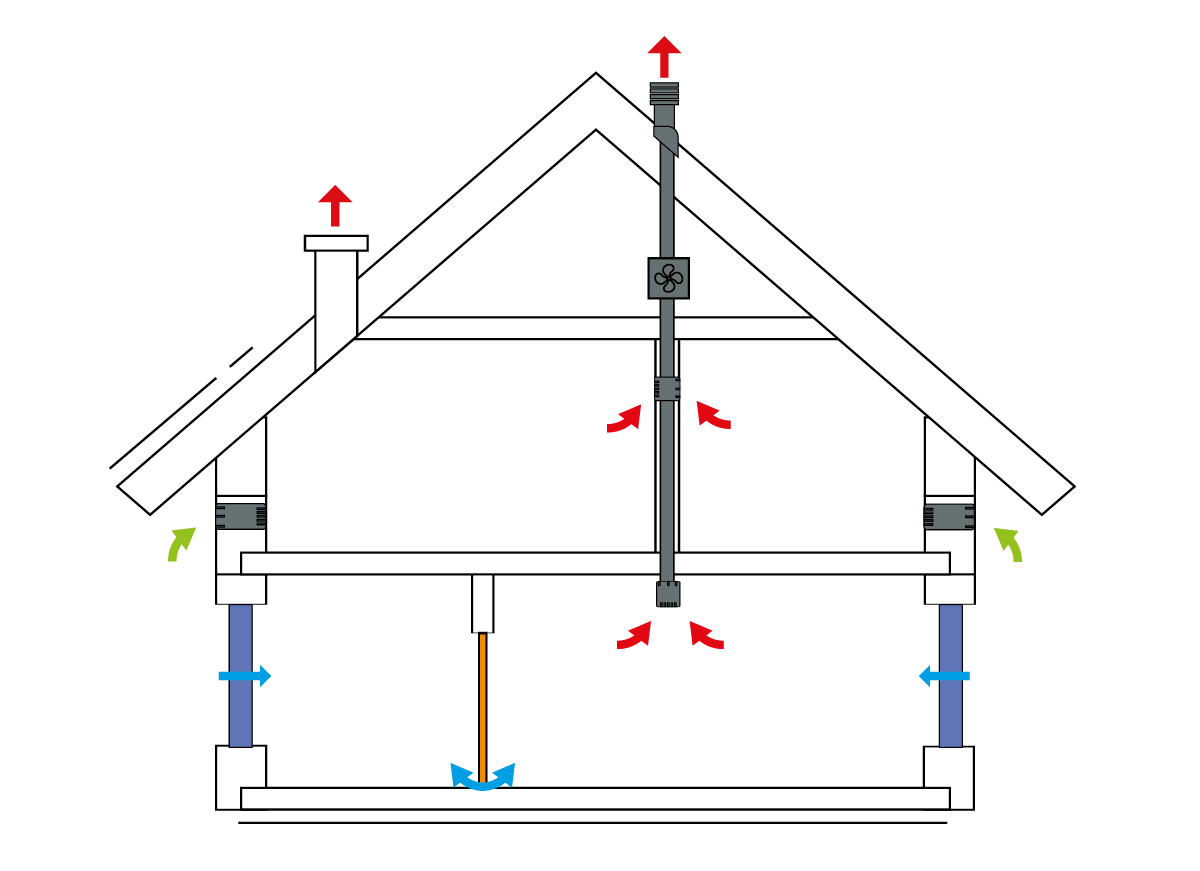
A solution that combines natural (gravity) ventilation with mechanical ventilation. Under normal conditions, the system operates passively – just like a traditional gravity ventilation system. When weather conditions are unfavourable or when increased air exchange is required, the system activates mechanical support to enhance airflow.
Hybrid ventilation allows partial control of the ventilation rate, providing improved comfort and efficiency while maintaining lower operating costs compared to fully mechanical ventilation systems.
Mechanical Ventilation with Heat Recovery (MVHR / Recuperation)
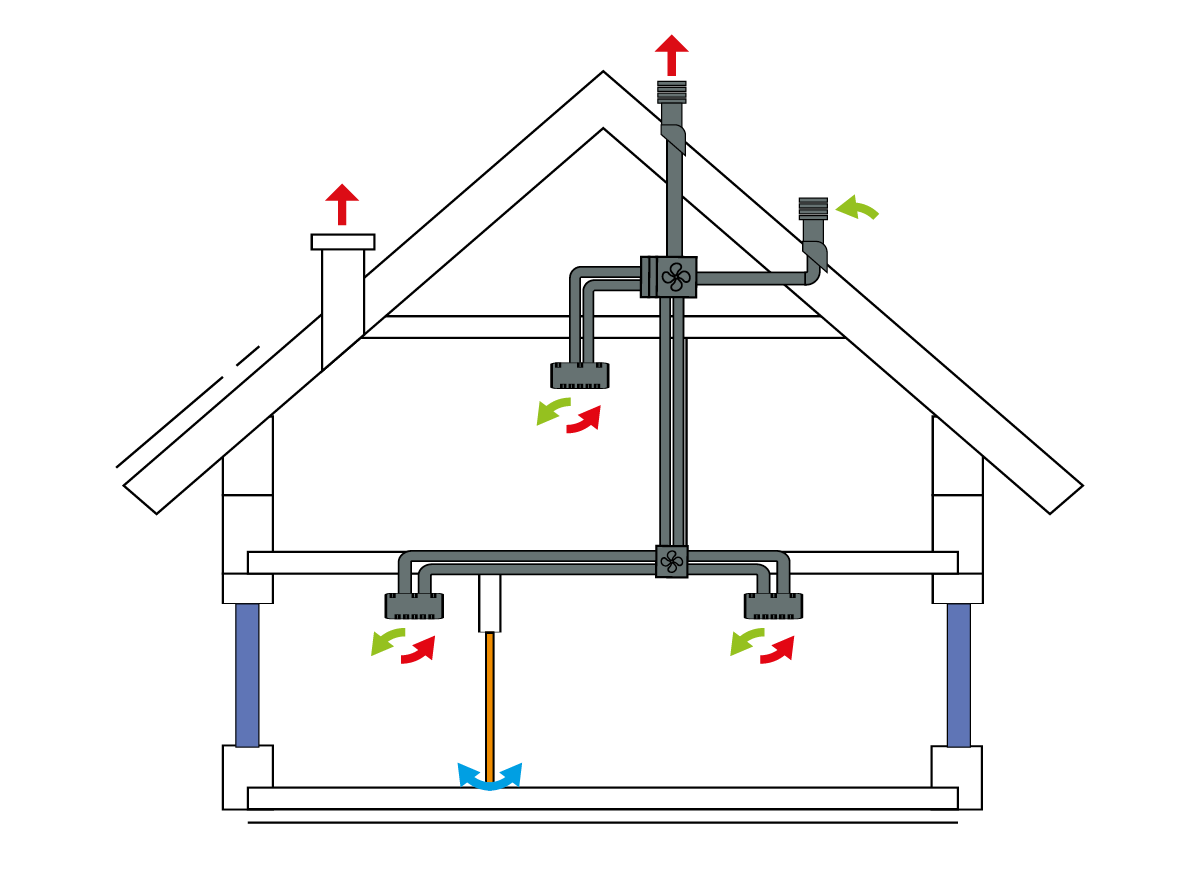
An advanced supply and exhaust ventilation system equipped with a heat recovery unit (recuperator), which recovers thermal energy from the air extracted from the building. This solution ensures a constant supply of fresh, filtered air while significantly reducing heat losses.
The system allows full control of air parameters – including temperature, humidity, and air quality. Heat recovery ventilation is primarily used in airtight, modern energy-efficient and passive buildings.
The Role of Roof Vents in the Ventilation System
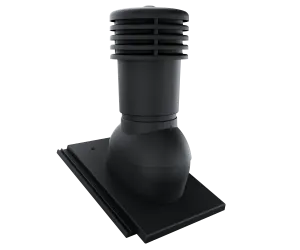
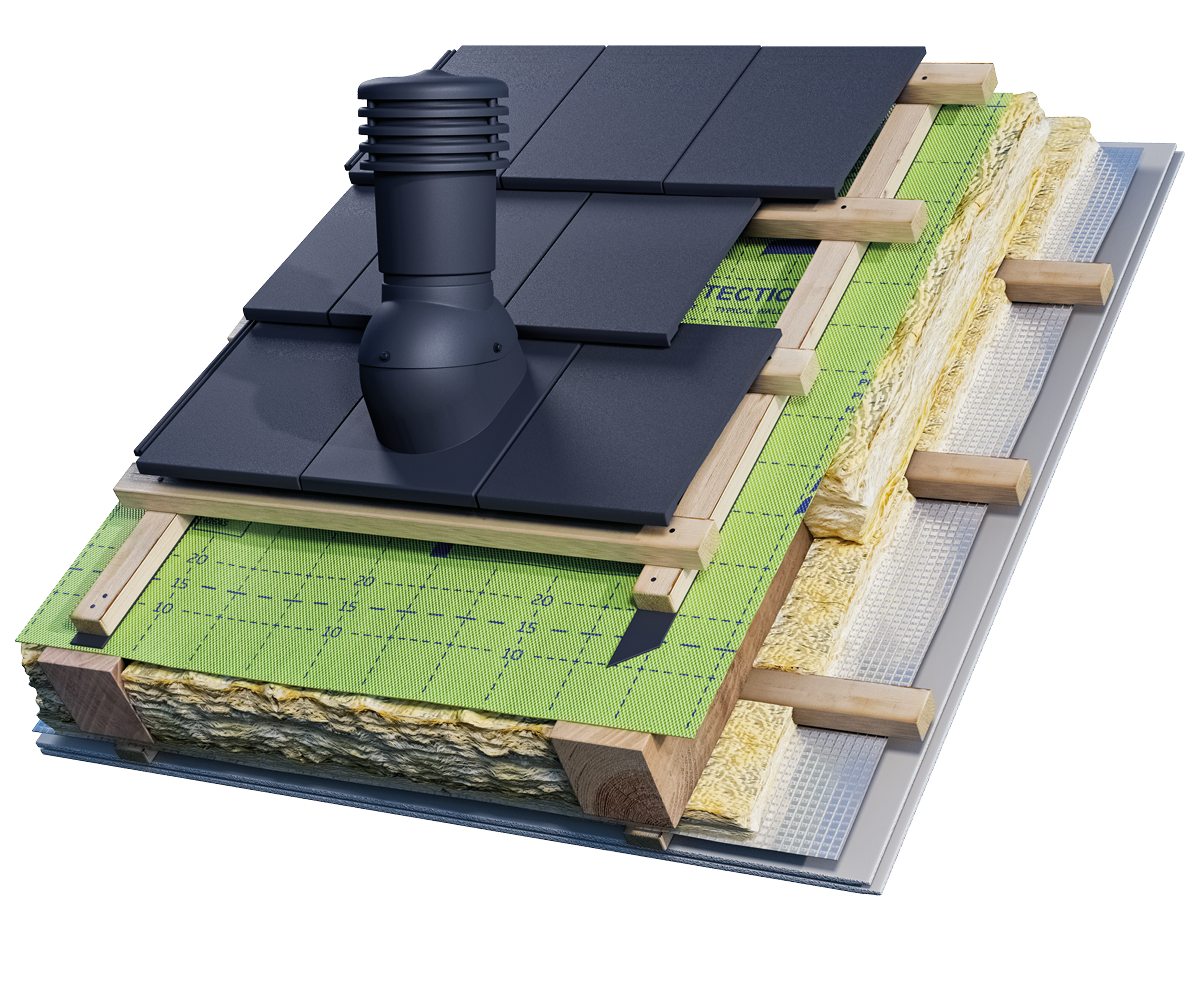
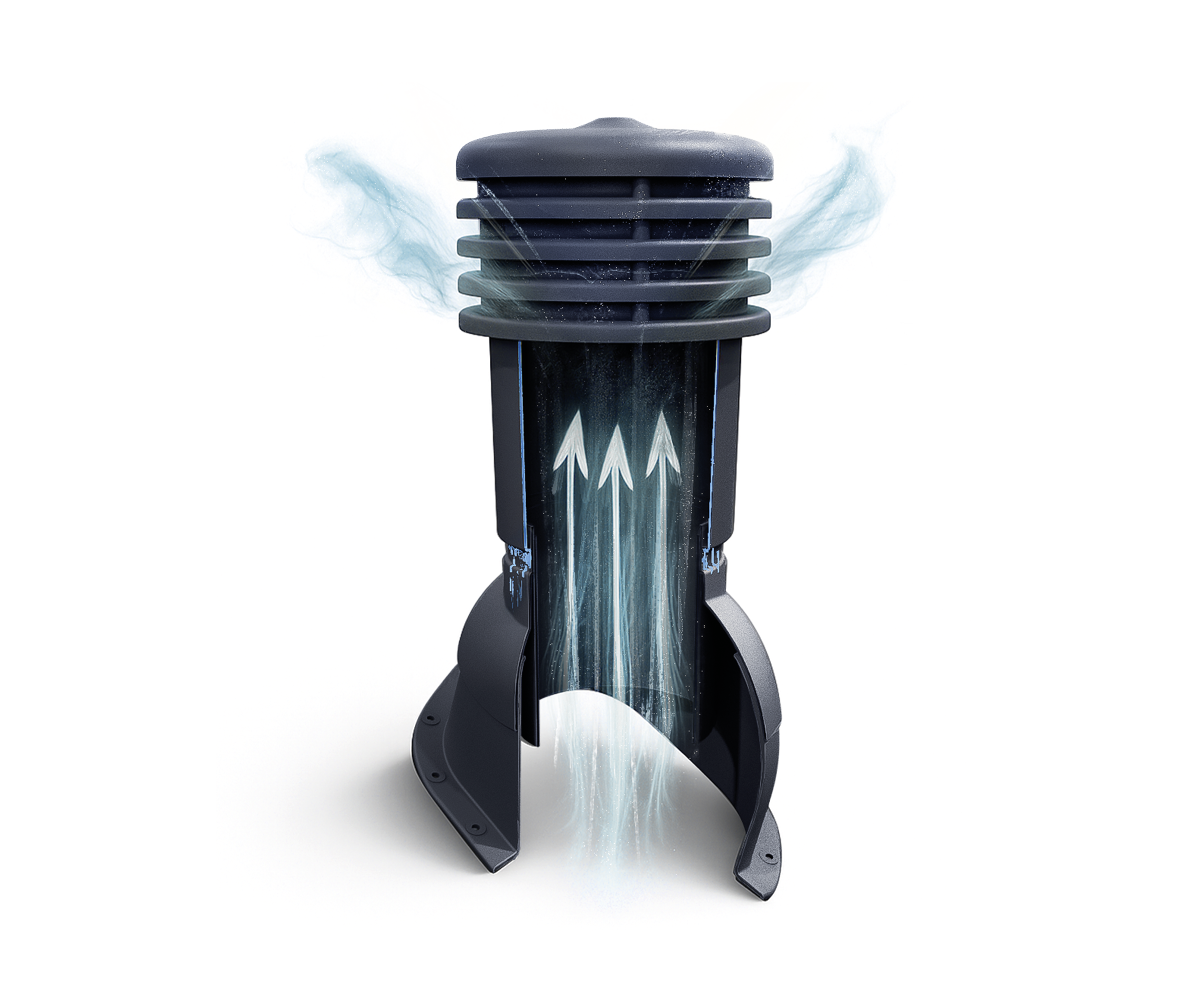
Regardless of the type of ventilation system used, a key element of the installation is the roof vent outlet – commonly referred to as a roof ventilation terminal. These components are responsible for the safe and effective discharge of stale air above the roof surface.
A properly selected roof vent terminal ensures stable draft, reduces the risk of air backflow, and prevents condensation of water vapour within the ventilation ducts. In modern solutions, vents with a larger diameter and optimized aerodynamics are increasingly used.
Why does the duct diameter matter?
According to current guidelines, the diameter of ventilation ducts for rooms such as kitchens, bathrooms, or toilets should not be smaller than 150 mm. A duct that is too small restricts airflow, causes draft fluctuations, and increases the risk of condensation.
Solutions such as Eurovent® VENTOS X with a Ø150 mm connection ensure stable airflow without the need for additional insulation of the duct. The integrated anti-condensation system additionally protects the installation from moisture accumulation and the growth of microorganisms.